
Asphalt Paving Timeline: What Homeowners Should Expect During the Process
Knowing your asphalt paving timeline before the crew arrives can save you stress, protect your property, and help you plan around the work. Whether you're replacing a cracked driveway off Route 45 or starting fresh in the Countryside or Orchard neighborhoods, the process follows a predictable series of stages. This guide walks you through each one so you know what to expect from the first call to the final cure.
Stage One: Initial Assessment and Site Consultation
A professional contractor will visit your property before any work begins. They evaluate the existing surface, measure the area, and check slope and drainage. In Mundelein, IL, this step matters because many residential lots in Lake County carry clay-heavy soils that shift with seasonal freeze-thaw cycles. Poor drainage planning is one of the most common reasons driveways fail early.
The contractor will also confirm whether any Lake County access permits are needed, particularly if your driveway connects to a county highway right of way. Factor this into your schedule early.
Stage Two: Base Preparation
Solid base prep is the foundation of any long-lasting asphalt paving project. After removing the old surface, the crew grades the sub-base, adds compacted aggregate stone, and ensures proper slope for water runoff. A quality installation typically requires six to eight inches of compacted stone base.
Mundelein winters are harsh, and frost penetration can reach deep into the ground, making thorough base compaction especially important. Rushing this phase is a leading cause of cracking and heaving within the first few years.
How Long Does Base Preparation Take?
Base preparation typically takes one to two days depending on driveway size and the condition of the existing sub-grade. Areas with significant grading issues may require additional time.
What Happens on Paving Day?
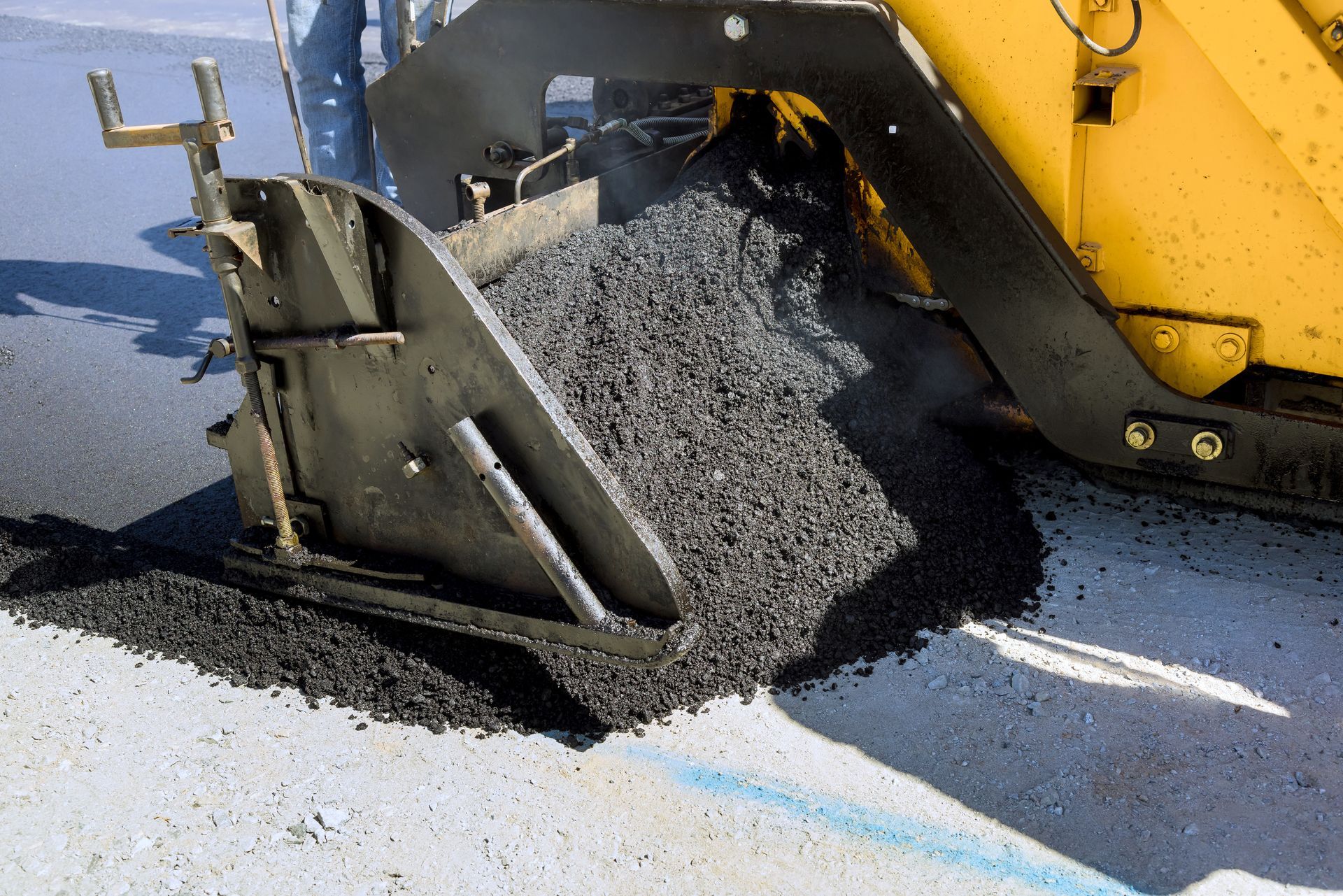
Paving day is the heart of the asphalt paving process, when hot-mix asphalt arrives by truck and gets laid and compacted quickly. The material must stay at the right temperature throughout, which is why experienced crews work efficiently. Asphalt is spread in uniform layers and compacted with a roller to achieve consistent thickness and density. For a typical residential driveway, paving can often be completed in a single day.
A few practical things to plan for:
- Clear all vehicles from the driveway and garage area before the crew arrives.
- Keep children and pets away from the work zone throughout the day.
- Plan alternate parking for at least 48 to 72 hours after paving is finished.
The Curing Timeline: When Can You Use Your Driveway?
Light foot traffic is generally safe within 24 hours. Most contractors recommend waiting 48 to 72 hours before driving on the surface. Avoiding sharp turns and heavy loads for the first few weeks helps prevent scuffing and tire marks.
During warm summer months, fresh asphalt can remain soft longer. Avoid parking in the same spot repeatedly during the first season, and do not let vehicles idle in one place for extended periods. Full structural cure can take up to 12 months.
What Can Damage New Asphalt During Curing?
- Parking in the same spot daily during the first summer, which can leave imprints.
- Motorcycle or bicycle kickstands, which concentrate weight on a small point.
- Spills of gasoline or oil, which can soften the binder in the mix.
- Heavy trucks or dumpsters parked on the surface before it fully hardens.
When Should You Apply Sealcoating?
Sealcoating should not be applied to new asphalt right away. The surface needs time to off-gas and cure fully before a sealer can bond properly. Most contractors recommend waiting six to twelve months before the first application. After that, resealing every two to three years can significantly extend the life of the surface.
For Mundelein homeowners, late spring or early summer is often ideal. Temperatures need to be consistently above 50 degrees Fahrenheit, and the forecast should be clear of rain for at least 24 hours after application.
Ongoing Maintenance After Paving
Routine maintenance is what separates a well-executed asphalt paving job that lasts 15 to 25 years from one that needs replacement in a decade. Key practices include:
- Inspecting the surface each spring for cracks that developed over winter.
- Filling small cracks promptly before water infiltrates and expands them during freeze-thaw cycles.
- Keeping the surface clear of debris, leaves, and standing water.
- Scheduling professional sealcoating every two to three years.
- Avoiding sharp metal shovels or snow blowers with metal blades that can scratch the surface.
In Mundelein and Lake County, cold winters, road salt runoff, and wet springs create real wear pressure on asphalt. Proactive maintenance is far more cost-effective than waiting for major repairs.
Ready to Get Started in Mundelein, IL?
Knowing the asphalt paving timeline helps you make confident decisions about your driveway project. Prestige Paving & Seal Coating serves the Mundelein, IL, community and is ready to guide you through every stage, from the initial assessment through sealcoating and long-term maintenance.
Visit Prestige Paving & Seal Coating to read reviews from local customers, or contact us to request your free estimate today.





